| Jonathan G. Cameron, CFP® |
Here is something we hear on occasion at CameronDowning: “I’m not sure an IRA is for me. I hear it may be too risky.” The problem with this statement is that an IRA, or Individual Retirement Account, is not an investment.
An IRA is Technically an Account Registration
It holds investments, but is not an investment itself. You can put all kinds of investments within an IRA. Consequently, stocks, bonds, mutual funds, CDs, and even gold bullion are investment options within an IRA. You can be 100% in cash in an IRA, which by definition has no risk.
Getting the terminology right is important. Picture a candy wrapper holding chocolate inside. An IRA is like the candy wrapper. Likewise, there are different kinds of candy wrappers just like there are various kinds of IRA registrations. Traditional, Roth, SEP (Simplified Employee Pension), and SIMPLE (Savings Incentive Match Plan for Employees) are the most commonly known IRAs. Different IRA registrations have different rules for getting money into the account, and different tax benefits.
Is It Risky?
That depends upon what you put into it. If you purchase only CDs within your IRA, then no — not at all. If you purchased commodities and emerging markets, then yes absolutely! The risk is in the investment choices, not the IRA wrapper.
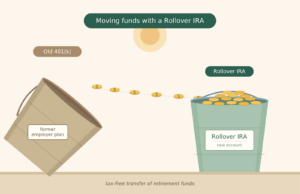
In a 401(k) account the sponsoring employer has a fiduciary duty to the employees, so there will not be many higher risk/higher return options. In an IRA, however, the only one making investment choices is you. You are bound only by the investment choices your brokerage account custodian has to offer. This is an important consideration for someone changing jobs — should you move your old 401(k) to your new employer’s plan, or move it to an IRA? The investment choices in the new plan should inform your decision.
What is a Self-Directed IRA?
This is an IRA that allows alternative investments, such as real estate. You need to know what you’re doing here because specialized custodians can’t give financial or investment advice. You must do your own due diligence.
Who Can Open an IRA?
Anyone with earned income — wages or income from a trade or business. Investment earnings do not count as earned income. There used to be an age 70½ cut-off for contributing to a traditional IRA, but this was repealed with the 2019 SECURE Act. As long as you have earned income, you can contribute.
For more information, please see these articles: