| by Glenn J. Downing, MBA, CFP® |
They don’t teach young people anything in school anymore. I usually think this when I make a reference to literature or music that someone else doesn’t get. I mean, hasn’t everyone read Charles Dickens?
As I’ve mentioned elsewhere, I had a top-notch high school education. We had a module system and were able to choose electives. Most of mine were literature, and I read extensively – American literature, as well as British, Russian, and French. And we read Charles Dickens in school.
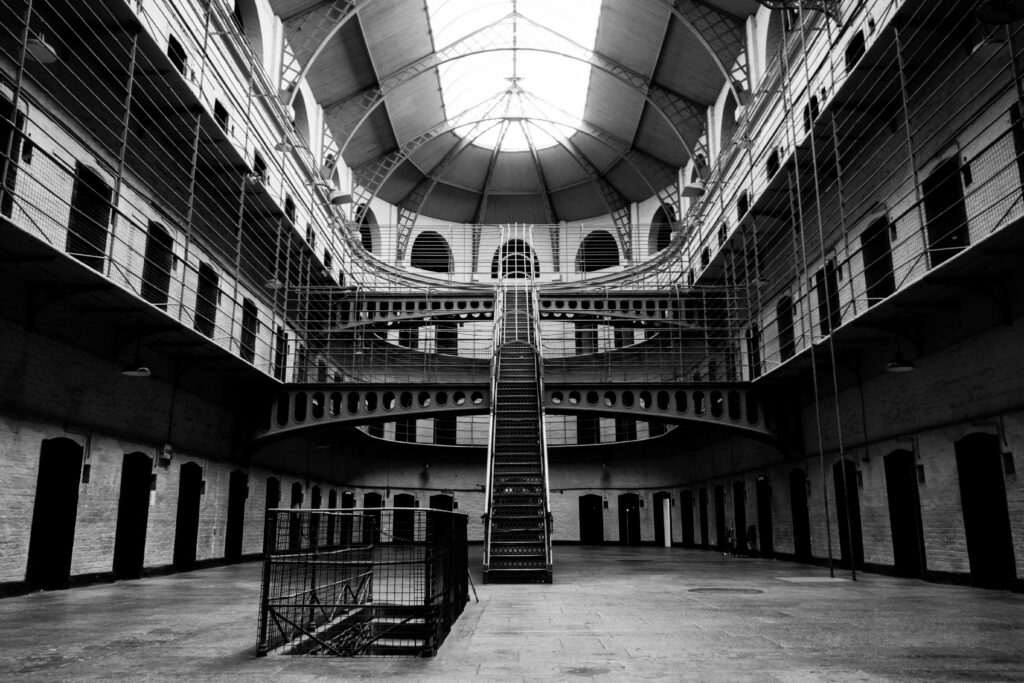
Dickens novels were set in industrialized England when child labor was common, and a 40-year lifespan was a ripe old age. He wrote extensively about social conditions and some of the absurdities of life then, such as debtors prisons. Thank God we don’t have debtors prisons now or a good chunk of America would be in one.
A quick aside: My dad grew up in Richmond, VA, and told me all about the poorhouse. It was a municipal institution, a place where people with no means could go to live. They were free to come and go – not a jail in any way – and encouraged to find work and get back on their feet. The stigma was horrible – people would do anything – even the immoral – to stay out of the poorhouse.
David Copperfield
David Copperfield is one of Dickens’ most famous novels. One character from the novel popped into my head the other day as I was giving a brief presentation about budgeting and cash flow. My point was that if there is more month than money, there are only two options: increase revenue, or decrease expenses, until things balance. Beyond that one goes into debt.
Mr. Micawber is the character who came to mind. He was always in money trouble and was a sometime resident of debtors prisons. For all that, Mr. Micawber maintained an optimistic if totally disconnected from reality disposition, and frequently noted that “Something will turn up.”
Here’s the quote that came to mind:
“Annual income twenty pounds, annual expenditure nineteen pounds nineteen and six, result happiness. Annual income twenty pounds, annual expenditure twenty pounds naught and six, result misery.”
The Envelope System
I used a personal example for my audience – that my mother taught me budgeting when I was a teenager. She had a bound book of budget envelopes, into which she deposited cash monthly. Some went into groceries, some to clothing, some to entertainment, etc. So if you wanted to go to the movies on the 25th of the month, and the entertainment envelope was empty, you had a choice: either don’t go because you couldn’t afford it, or borrow from next month’s envelope.
It was easy to keep spending in check because, well, if the envelope was empty, there’s nothing to spend! I’m so thankful for the way my mother taught me.
I hope schools are keeping the lessons of Mr. Micawber alive.